
A healthcare professional in a white coat holds a glowing, 3D representation of a stomach, symbolizing the field of gastroenterology.

Comprehensive Gastroenterology Care at Optimus Multispecialty Hospital

Gastritis, Peptic Ulcer & Stomach Disorders Treatment in Gurgaon – Optimus Multispecialty Hospital

At Optimus Multispecialty Hospital, Gurgaon, our Best Gastroenterologist in Gurgaon and specialized team provide comprehensive care for all stomach and upper gastrointestinal (GI) disorders. From gastritis and peptic ulcers to chronic indigestion and stomach infections, we offer accurate diagnosis, personalized treatment plans, and minimally invasive procedures. Our focus is on Stomach Pain Treatment in Gurgaon that not only relieves symptoms but also addresses the root cause, improving digestion, gut health, and overall well-being. We are recognized as a leading Gastroenterology Hospital in Gurgaon, equipped with state-of-the-art endoscopic and imaging facilities to provide quick and precise treatment.
What Are Stomach Disorders?

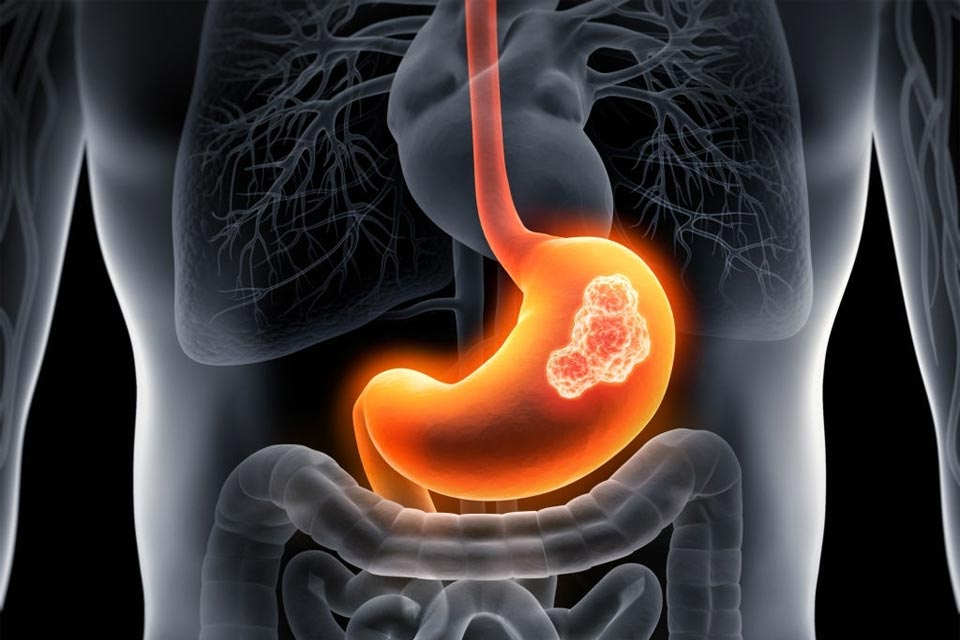
Stomach disorders refer to conditions that affect the stomach lining, duodenum, or
upper digestive tract, causing inflammation, pain, or functional disturbances. These
disorders can significantly impact your nutrition, energy levels, and daily comfort.

Common stomach disorders treated at Optimus Hospital include:

Gastritis – Causes, Symptoms & Treatment

Gastritis occurs when the stomach lining becomes inflamed due to irritation, infection, or autoimmune reactions.

Causes

  • H. pylori infection – a bacterial infection that damages the mucosa
  • Long-term NSAID or aspirin use
  • Excessive alcohol consumption
  • Chronic stress and irregular eating habits

Symptoms

  • Upper abdominal pain or burning sensation
  • Nausea and vomiting
  • Loss of appetite or weight loss
  • Bloating and early satiety

Treatment Approach

  • Eradication therapy for H. pylori infection
  • Acid-suppressing medications (proton pump inhibitors or H2 blockers)
  • Lifestyle and dietary modifications
  • Regular monitoring for chronic gastritis to prevent complications

Peptic Ulcer Disease (PUD) – Causes & Management

Peptic ulcers are sores in the stomach or duodenum caused by acid erosion and weakened mucosal defense.

Common Triggers

  • H. pylori infection
  • Long-term NSAID usage
  • Smoking and alcohol
  • High stress levels
  • Genetic predisposition

Symptoms

  • Persistent burning or gnawing stomach pain
  • Indigestion and bloating
  • Nausea, vomiting, or blood in vomit/stool
  • Anemia and fatigue in severe cases

Treatment Approach

  • Combination antibiotics for H. pylori eradication
  • Acid-reducing medications
  • Endoscopic evaluation for bleeding or high-risk ulcers
  • Lifestyle changes, including meal timing, diet, and stress reduction

Gastroesophageal Reflux Disease (GERD) & Acid Reflux

GERD occurs when stomach acid flows back into the esophagus, causing irritation and discomfort.

Symptoms

  • Heartburn and burning sensation in the chest
  • Sour taste in the mouth
  • Chronic cough or throat irritation
  • Difficulty swallowing

Treatment

  • Lifestyle modification – avoiding spicy/fatty foods, weight management
  • Medications – antacids, H2 blockers, proton pump inhibitors
  • Endoscopic procedures in severe cases

Stomach Infections & Gastrointestinal Bleeding

Infections

  • Bacterial (Salmonella, E. coli)
  • Viral (Norovirus, Rotavirus)
  • Fungal infections in immunocompromised patients

Symptoms

  • Diarrhea, nausea, vomiting
  • Fever and dehydration
  • Abdominal cramping

Why Choose Optimus Multispecialty Hospital for Stomach Pain Treatment in Gurgaon?

FAQs – Stomach & Ulcer Disorders

If your stomach pain is persistent, associated with vomiting, blood in stool, or unexplained weight loss, consult a gastroenterologist immediately.

Most cases are mild and treatable with medication, but untreated gastritis can lead to ulcers or stomach bleeding.

Through endoscopy and H. pylori testing to confirm infection or detect complications.

Yes, dietary modification, stress control, and avoiding alcohol or smoking can significantly reduce symptoms.